
Snowtubing: Complex Risk
Why it matters: While snowtubing is a passive activity for the rider, the underlying physics are volatile. Small changes in conditions and lane control can produce large changes in speed and collision risk.
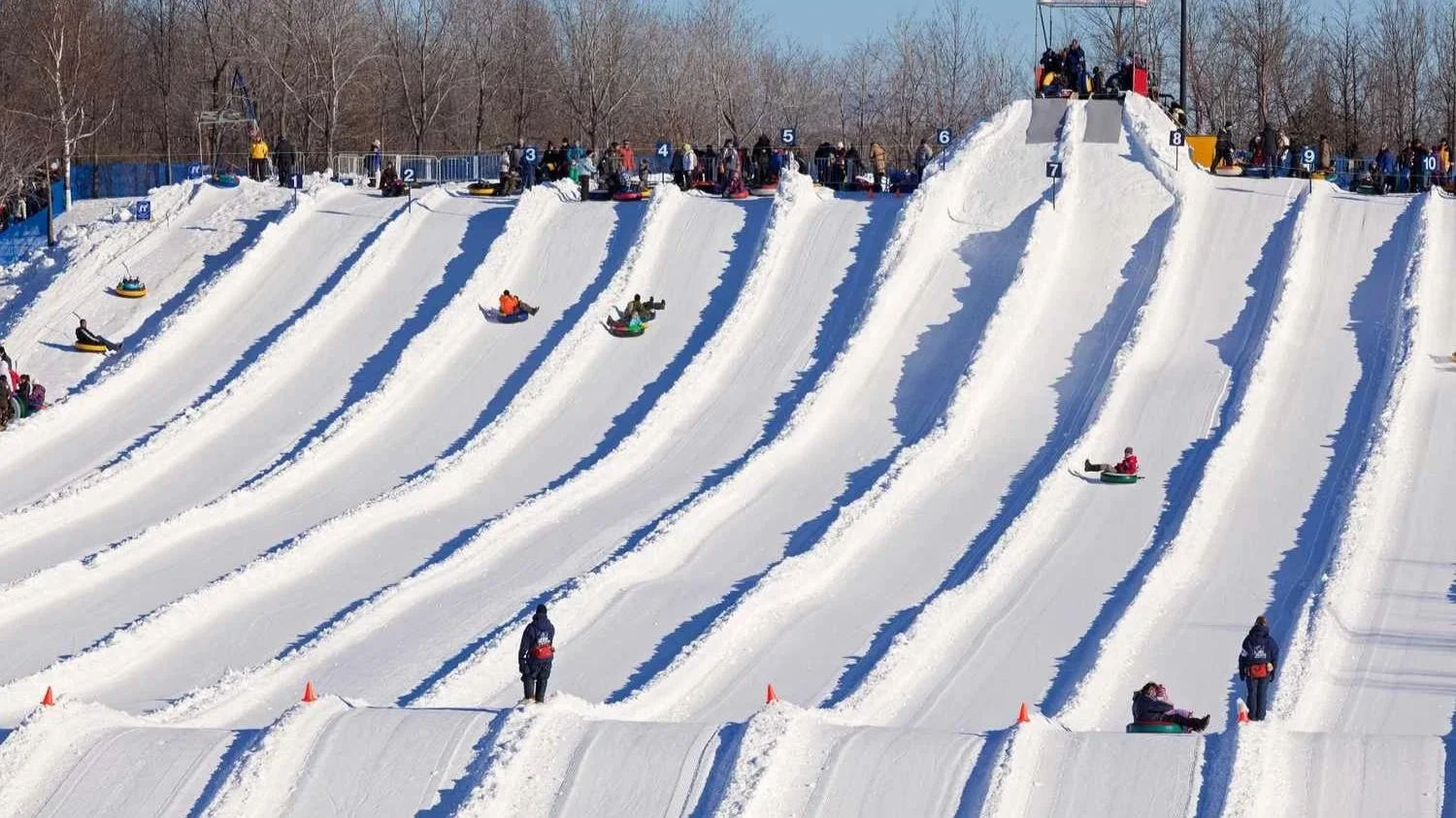
Snowtubing looks easy, but the motion can be unpredictable to the rider. Tubes can rotate, drift, and overlap lanes depending on snow conditions. Unlike skiing, snowtubing provides zero directional control. Safety is entirely dependent on engineering and operational variables:
Facility Design: Risk management relies on dispatch spacing, slope gradients, and deceleration zones.
Environmental Data: Snow conditions change rapidly with temperature, grooming, and traffic volume, directly impacting friction and stopping distances.
Kinematics: Tubes are prone to rotation and lateral drift. Without precise lane geometry and maintenance, lane crossovers become a foreseeable hazard.
There is also a regulatory gap. There are currently no universal industry standards specifically for snowtubing. Consequently, the "standard of care" must be established through forensic benchmarking and technical analysis of the operational setup. A proper forensics review evaluates the site geometry, surface conditions at the time of the incident, and whether the facility’s controls managed foreseeable overlap and stopping risks.
Advantage Forensics has the leading technical experts required to navigate these complex liability files!