
Sports Season: Evaluating Helmet Performance in Claims
Why it matters: In litigation, the assumption that "a helmet was worn" is often where the analysis stops, but that is rarely where the liability ends.
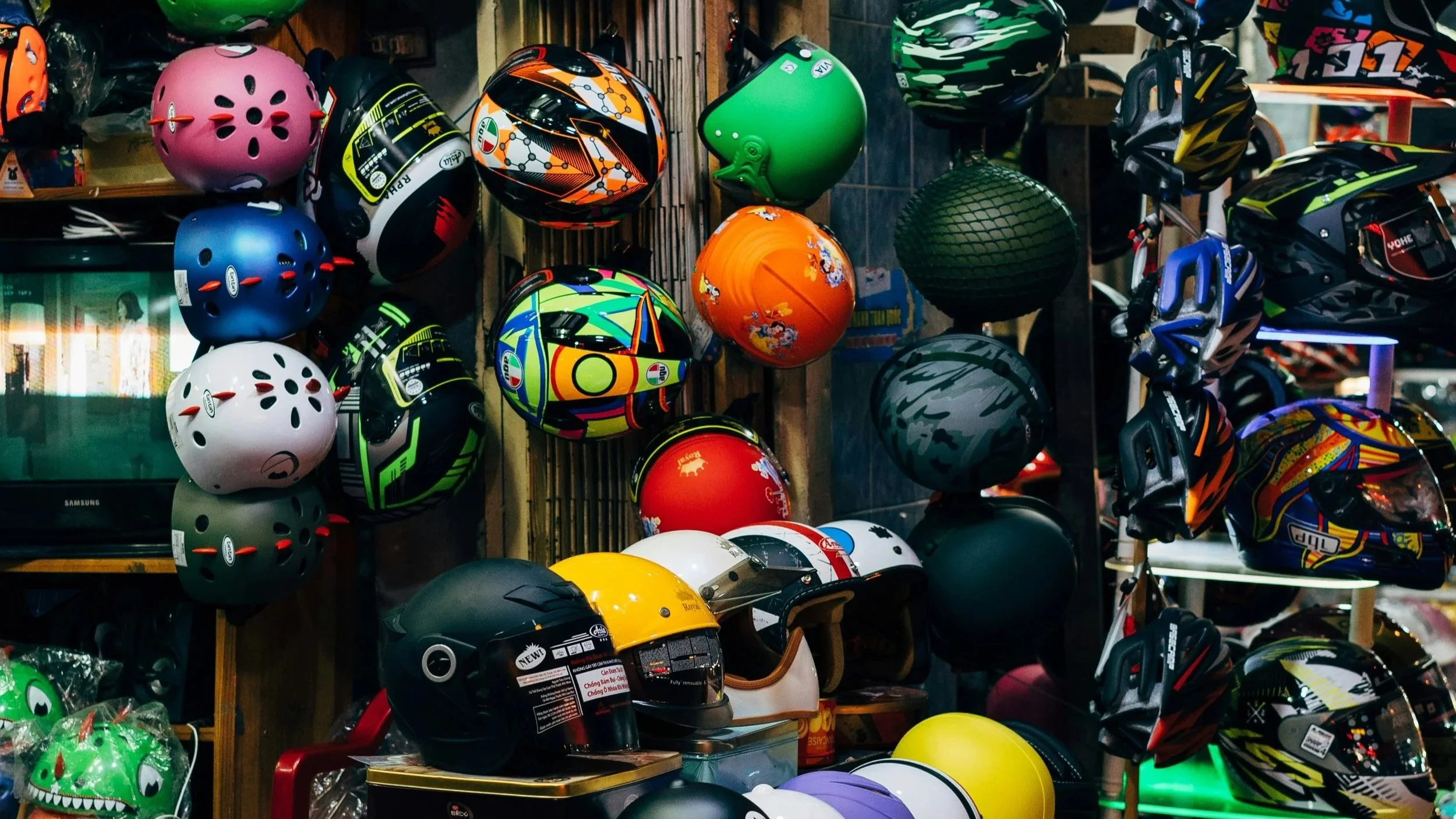
Helmets are designed to mitigate specific injury risks under controlled conditions. They do not eliminate all injury outcomes, nor do they guarantee concussion prevention in every scenario. When a claim hinges on whether protective equipment was adequate, your expert must be able to parse the difference between equipment failure, misuse, and the physical limits of safety standards.
As sports seasons drive an increase in helmet-related claims, general assumptions often fall short in depositions or trials. Whether you are assessing liability or evaluating causation, the difference between a defensible opinion and a general assumption lies in the technical details:
Fit and Retention: Was the helmet properly sized and secured for the activity?
Impact Biomechanics: How do the specifics of the incident align with the helmet’s certification and design?
Regulatory Standards: Did the equipment meet the required safety certifications for the specific use case?
At Advantage Forensics, we bridge the gap between product performance and incident specifics. Our team, comprising experts in biomechanics and product quality, provides the technical rigour necessary to determine what protective performance could reasonably be expected in your specific case.
We provide the forensic evidence necessary to move your case beyond speculation and toward a defensible, evidence-based conclusion.
Are you currently working on a file that requires an assessment of equipment performance or biomechanical causation? Let’s connect to discuss how we can support your investigation