
Winter Road Maintenance in Ontario: The Timelines That Often Drive Liability
Why it matters: In winter loss-of-control files, the difference on liability and avoidability is often hiding in the maintenance timeline.
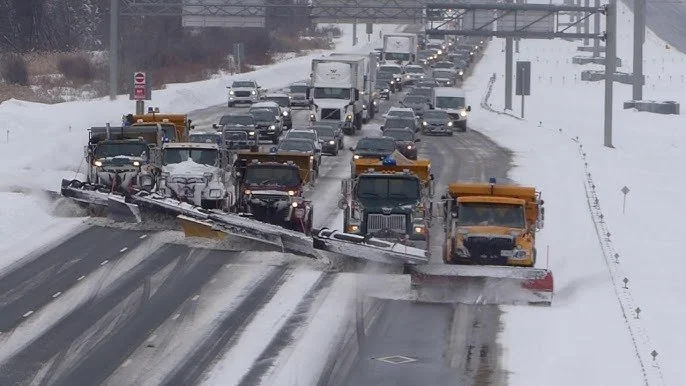
Winter maintenance cases usually aren’t about whether it snowed or not. They’re about what was reasonably done, when, and on what type of road. In practice, lawyers often end up comparing the roadway’s intended service level, the weather timeline, and the maintenance response (plowing, salting, patrols, and follow-up treatment) to determine whether conditions were predictable and reasonably addressed.
In Toronto, the City publishes clear triggers and target timelines for plowing. Snow plowing typically begins at:
2.5 cm on expressways (target: 2 hours, bare pavement),
5 cm on arterials (6 hours, bare pavement),
8 cm on collectors (8 hours, centre bare), and
8 cm on local roads (14 hours, safe and passable).
For sidewalks, Toronto also states that when snowfall accumulation is 2 cm or less, residents and businesses are expected to clear sidewalks within 12 hours after snowfall ends.
Across Ontario, many municipalities are benchmarked against the Minimum Maintenance Standards for Municipal Highways (O. Reg. 239/02), which sets roadway snow-accumulation response expectations by road class after accumulation ends (for example, reducing snow to 2.5 cm within 4 hours on Class 1, 5 cm within 6 hours on Class 2, and 8 cm within 12 hours on Class 3, with longer timelines for lower classes). These standards matter because they can frame what “minimum reasonable” maintenance looks like when road conditions are alleged to be a contributing factor.
Finally, timing is everything, and extreme storms complicate the analysis. Ontario municipalities may declare a “significant weather event” when conditions are unusually hazardous, which can affect how quickly standard maintenance outcomes can realistically be achieved. In litigation, the most useful approach is often simple: build a clean timeline (weather → patrols/treatment → condition changes → incident time), then test whether the roadway condition was temporary and evolving, or whether a known hazard persisted without a reasonable response.
Advantage Forensics has the right winter maintenance experts to help analyse your case!